
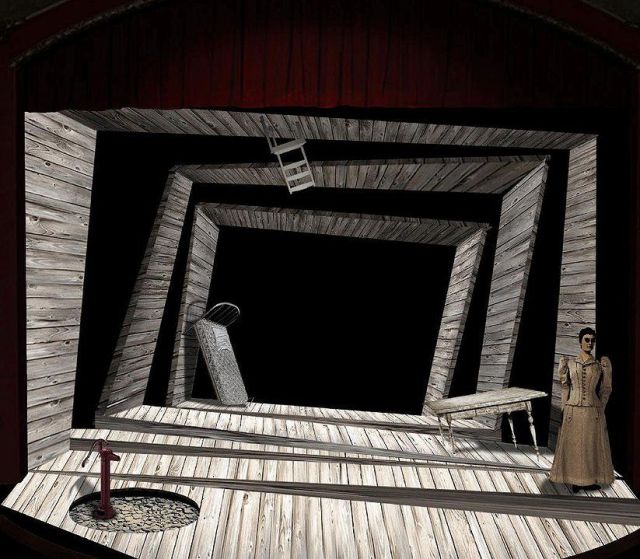
There’s a huge amount of theatre craft, it’s a topic that I haven’t really covered because I’ve focused on the buildings. There is also the terminology, the theatre words. I’m picking one, and see where it takes me. Upstage. The easiest definition is that it involves moving to the back of the stage, as opposed […]
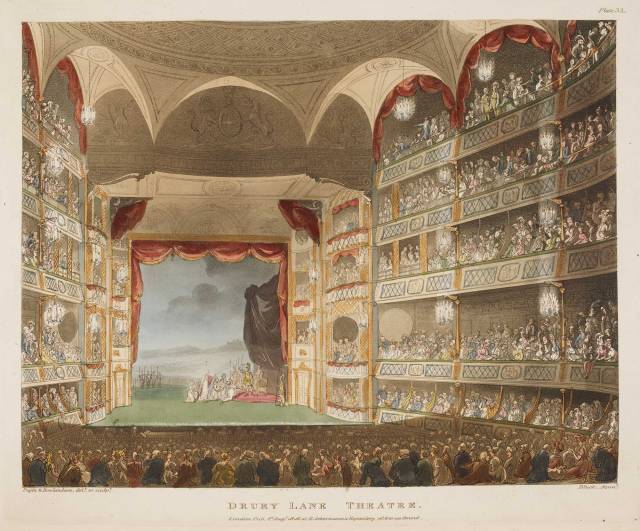
Letter T of my Theatres through the Ages is an obvious one! I’ve mentioned the patent theatres a few times on my posts. The royal patent is a legal instrument issued by the monarch to grant a monopoly. It’s usually applied to inventions, but it also was given to theatres, licensing them in effect to […]
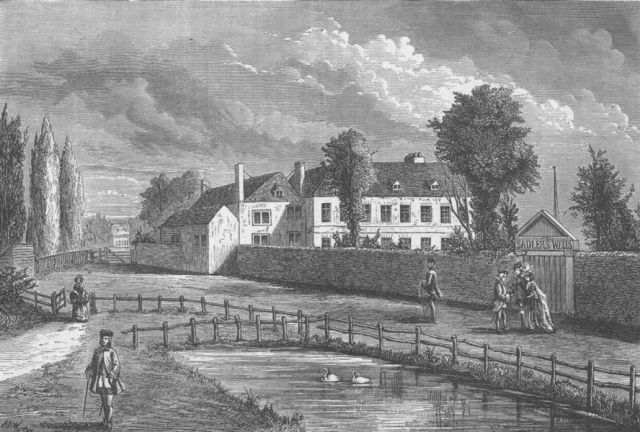
My theme – British theatre through the ages – has so far covered many forms of entertainment, but to date, I’ve omitted one key one: dance. So today, I’m off to Sadler’s Wells, home of ballet and dance. However, given the theatre’s long history, dance is a relatively recent arrival at Sadler’s Wells. In fact […]
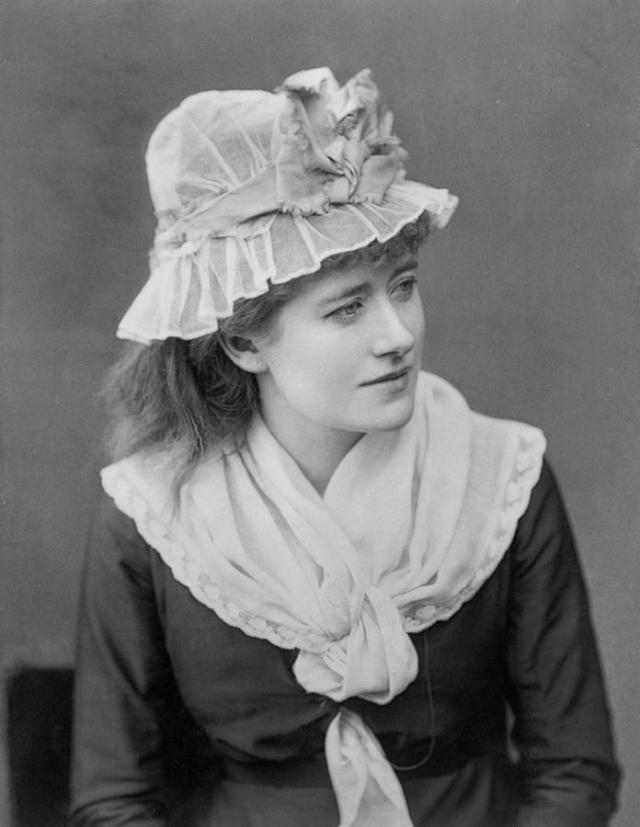
Theatres are all about people. The actors, the audience, the backstage crew, the writers and directors (and the ghosts…) Don’t forget the money – the producers and the owners who take a risk to build theatres and put on shows. The Royal Lyceum Theatre in Edinburgh is another one of CJ Phipps creations and was […]

The Queen’s Theatre on Shaftesbury Avenue is a conjoined twin, one of two theatres that were built next to each other by W.G.R. Sprague, an articled clerk for Frank Matcham, the theatre architect. At the other end of the building is the Hick’s Theatre, which changed its name eventually to the Gielgud. The Hick’s opened […]

When I think of theatres I think of plays – comic, dramatic, tragic or controversial. Yet so many theatres began life entertaining with music, circus and pantomime. The Palace Theatre (not to be confused with the Victoria Palace) on Charing Cross Road, which was built in 1891, was no exception, it was originally called Royal […]
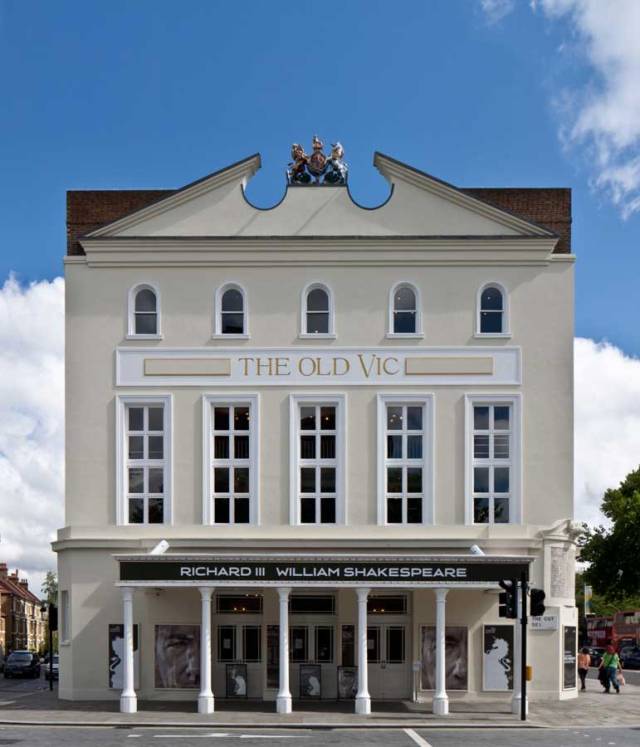
It’s a nickname, Old Vic, and it’s been around for a long time, since at least 1880. It stands for Royal Victoria Theatre. But that wasn’t its first name. Just like the Royal family, the theatre had a Germanic name – Royal Coburg Theatre. Designed in 1818 by Rudolph Cabanel, a German architect, the theatre […]
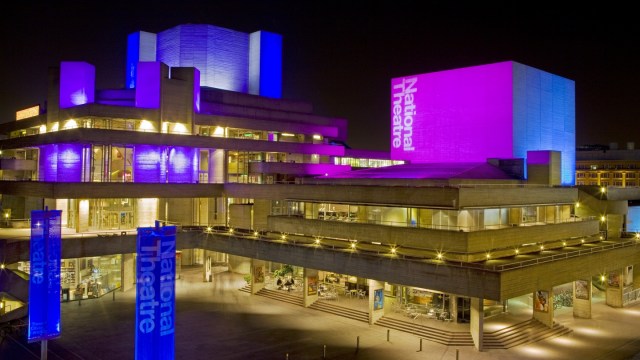
The establishment of a national theatre in Britain was a long affair. Given that the country is home to Shakespeare and other great early playwrights it might seem odd that it was only in the 1960s that the country finally had one… not a dedicated building, but a national theatre company. In 1847 Dramaticus (a […]
The paying guests of Druimard Guest House on the Isle of Mull were lucky people. From 1963 every Thursday their hosts entertained them with Thursday Theatre in what would become the ‘smallest professional theatre in the world’ (according to the Guinness Book of Records) – the Mull Little Theatre. Professional actors Barrie and Marianne Hesketh […]

There are a few Lyceum theatres – Sheffield, Crewe, Oldham – but the one to mention is London’s Lyceum. It’s old. Originating in 1765 the Lyceum had several incarnations that don’t fit with modern theatres, including life as a chapel and hosting Madame Tussaud’s waxworks. When it was managed by Samuel Arnold (son of the […]



 The Quiet Writer