
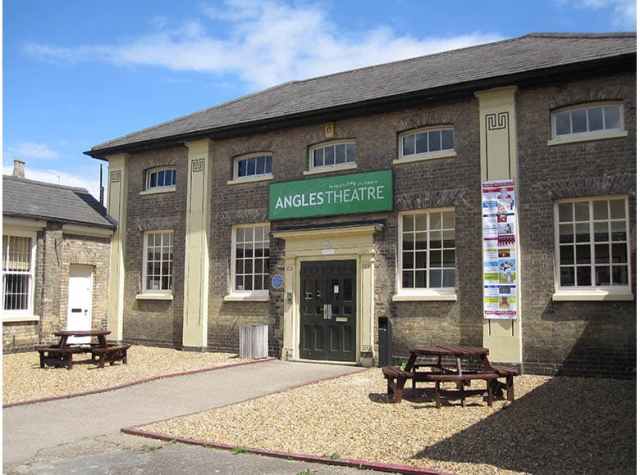
My first post of the A to Z Blogging Challenge – the letter A and the theme for this year? British Theatres through the ages. How to begin? There are plenty of theatres in London, and I will be touching on several, but today I’m starting out in a small provincial town, one that is […]

My sixth year of the A to Z Blogging Challenge and I’m continuing the history theme. This time not stately homes of the wealthy, the enduring gardens of Britain, nor the Medieval structures of cathedrals and castles, this time I’m going for building associated with entertainment. Draw back the safety curtains, turn up the lights…. […]

Today is the last day of the A to Z challenge and the final instalment of my series on the history of gardens. I’m starting this post by looking at menageries. Now hang on as I guide you to the reason why it’s my Z post. ‘Menagerie’ was used in 17th century France to refer […]
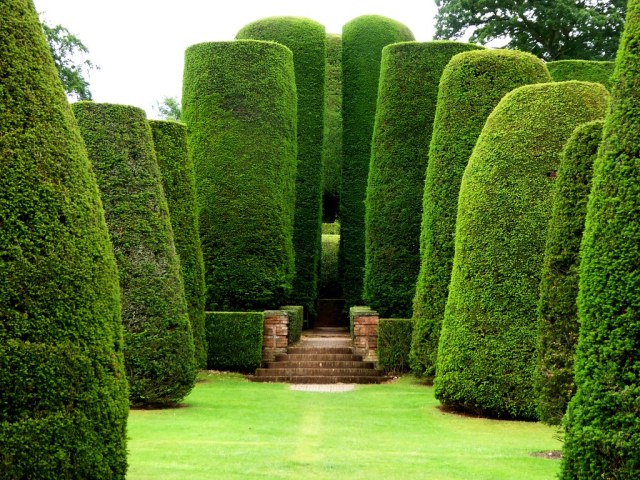
In St Cynog churchyard in Wales there is an old yew tree. It’s reckoned to be 5000 years old. Yews feature greatly in gardens and their longetivy is well known. But they are especially found in churchyards amongst the flowers, keeping the company of graves. Why? The yew is a coniferous tree from the family […]

For anyone who’s done the A to Z Challenge before will know that X requires considerable thought and creativity. Thankfully, the world of botany provides some useful Xs. Today I introduce Xylobium, a genus of the orchidaceae family. There are 35 species and it is native to the tropical Americas. Here’s a picture. Orchideceae, or […]
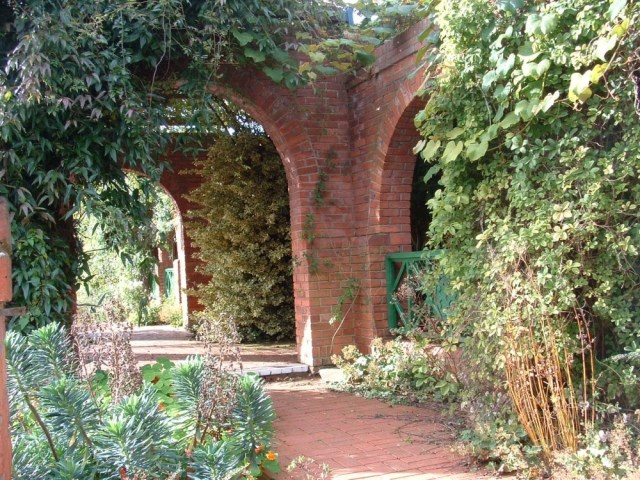
These days we call in at the grocers or supermarket to stock up on fresh fruit and vegetables. Few of us are self-sufficient in producing food, unless you’ve a generous garden or access to an allotment. How did those big country houses of old cope with feeding dozens of people when they’d nowhere to shop? […]
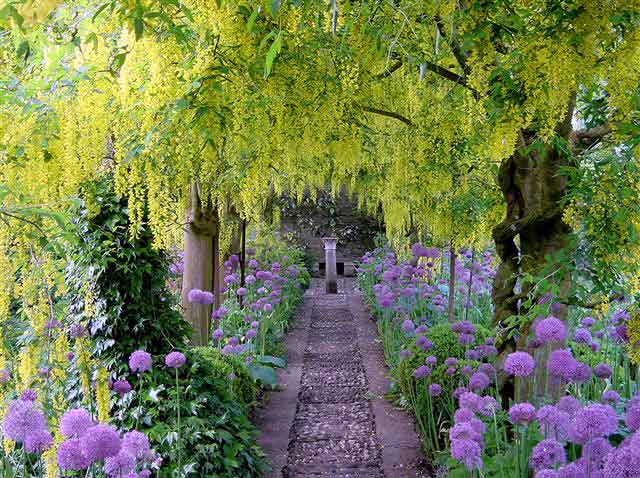
In 1970 Rosemary Verey (1918-2001) opened her garden at Barnsley House to the public through the National Gardens Scheme. The scheme began in 1927 to support district nurses. For a small fee (and a cake and a cup of tea), visitors are given access to private gardens, usually a few days in the summer, and […]
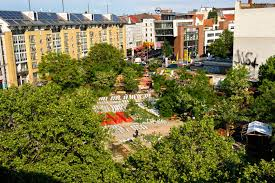
Was the Hanging Gardens of Babylon in Mesopotamia (3500BC) the world’s first urban garden? Since its location is unknown, then its purpose is purely speculation. But there is evidence that Mesopotamian citadels had small farms, gardens and irrigation systems within their walls. The cultivation of gardens within cities and urban areas is ancient and well […]

Sissinghurst is probably one of the most famous gardens in England and forever linked with the prolific writer Vita Sackville-West and her husband Harold Nicolson. How did it all begin? Sissinghurst in Kent started out life as a Saxon pig farm – Saxonhurst. Hurst means woodland in Saxon. During Tudor times a fine manor house […]
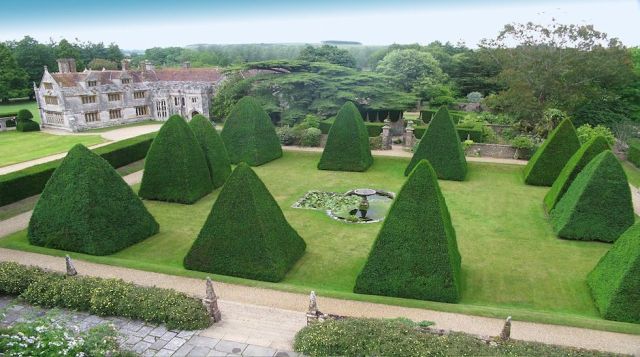
We’re accustomed to seeing art in the form of sculptured stone or clay, even ice, but there is another, which is cheaper, and offers longevity if maintained correctly, and often forgotten – topiary – the art of shaping shrubs and hedges. Topiary dates back to classical antiquity, and supposedly invented by a friend of Emperor […]





 The Quiet Writer